
What Are Lab-Grown Diamonds? Lab-Grown vs. Natural Diamonds
DANFÉE · Diamond Journal
Beautiful jewelry begins with understanding the gemstone. From a tiny diamond seed to a carefully polished jewel, laboratory-grown diamonds bring together crystal growth, precision cutting and personal style.
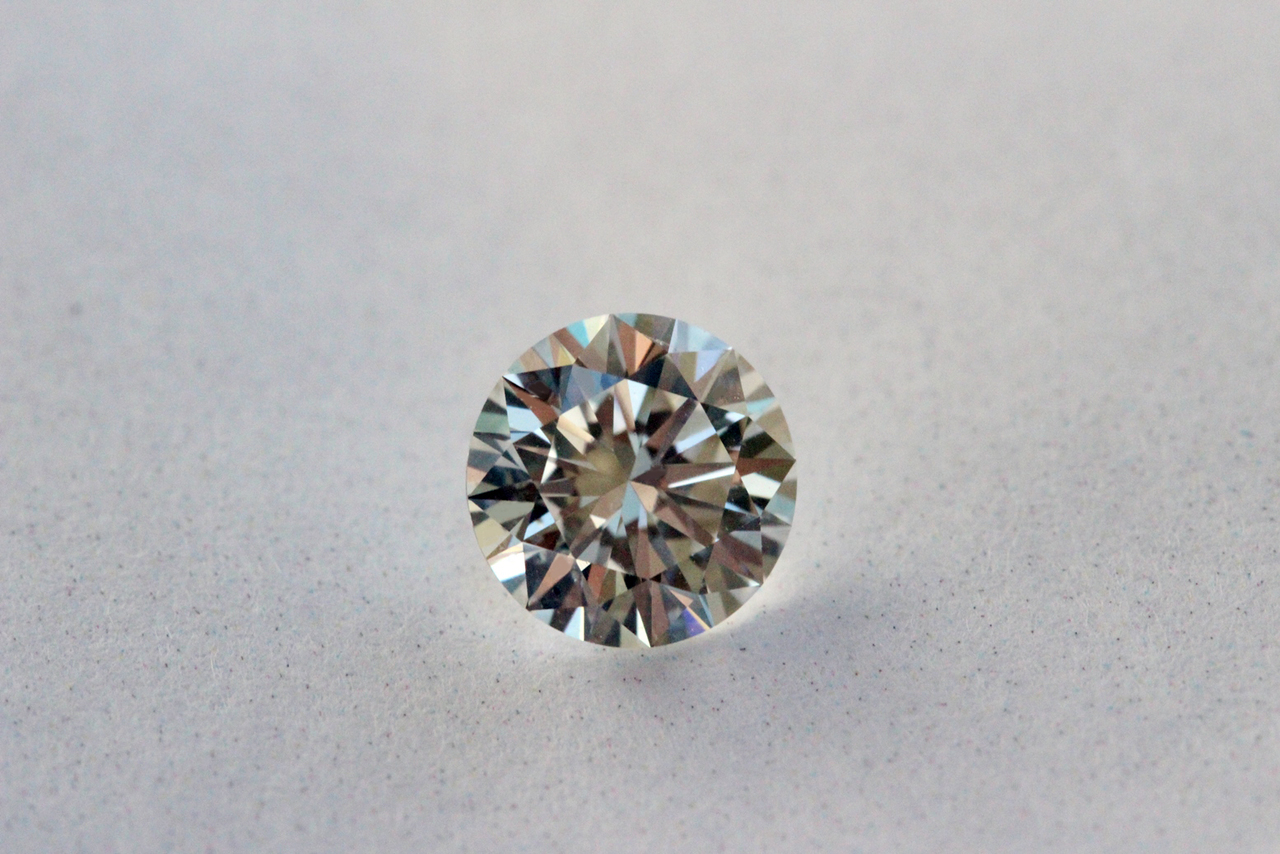
Photo: Petra Gems / Wikimedia Commons. CC BY-SA 4.0. Image unchanged.
01. What Is a Lab-Grown Diamond?
A laboratory-grown diamond is a diamond produced in a controlled environment. It has essentially the same chemical composition, crystal structure and physical and optical properties as a natural diamond. Its defining difference is where and how it grows.
Natural diamonds form within the Earth. Laboratory-grown diamonds develop through technological processes that allow carbon to crystallize as diamond. Their origin should be clearly identified when they are offered for sale.
Real Diamond, Clearly Disclosed Origin
Laboratory-grown diamonds are diamonds. Moissanite and cubic zirconia are different materials that may resemble diamond. Understanding that distinction helps you compare jewelry with confidence.
02. How Are Lab-Grown Diamonds Made?
The two principal growth methods are High Pressure, High Temperature (HPHT) and Chemical Vapor Deposition (CVD). Both can produce diamond material, but they create different growth conditions and characteristics.
HPHT: High Pressure, High Temperature
HPHT growth uses intense pressure and heat. A carbon source supplies material that crystallizes around a diamond seed. The resulting rough crystal must then be evaluated, cut and polished before it becomes a finished gemstone.

Image: Materialscientist / Wikimedia Commons. Public domain.
CVD: Chemical Vapor Deposition
CVD growth takes place in a chamber containing a carbon-bearing gas. Under controlled conditions, carbon deposits onto a prepared surface and grows as diamond. Gemstone production uses diamond seeds to develop larger crystals.

Photo: O. Usher (UCL MAPS) / Wikimedia Commons. CC BY 3.0. Image unchanged.

Image: Kugel / Wikimedia Commons. CC BY-SA 3.0. Image unchanged.
Neither growth method alone tells you how beautiful a finished diamond will be. Individual color, clarity, proportions and cutting quality all deserve attention.
03. From Rough Crystal to Sparkle
Growing the crystal is only part of the journey. Cutting and polishing transform rough material into a gemstone with carefully arranged facets. Those facets influence how light enters, reflects within and exits the diamond.
Shape and cut are related but different. Shape describes the outline, such as round, oval or pear. Cut concerns how the diamond has been fashioned, including its proportions and finish.

Diagram: © 2001 Jasper Paulsen / Wikimedia Commons. CC BY-SA 3.0. Reproduced without additional changes.
04. Choosing Quality: Understanding the 4Cs
IGI uses the 4Cs to describe diamond quality: cut, color, clarity and carat weight. They provide a useful framework, but the right choice also depends on your preferences and the finished jewelry design.
The Interaction with Light
Proportions, symmetry and polish contribute to a diamond’s appearance. Look beyond its outline and consider how lively it looks in different lighting. Overall cut grades are not provided in the same way for every diamond shape.
The Presence of Body Color
For colorless to light-colored diamonds, the color grade describes the degree of color present. Consider the stone alongside your preferred metal and the overall look you want.
The Details Within
Clarity assesses internal inclusions and surface blemishes. Their size, position and visibility matter, so compare the report with clear views of the individual diamond.
Weight, Not Just Size
One carat equals 0.2 grams. Carat measures weight; visible size also depends on shape and proportions. Check the diamond’s measurements rather than judging size by weight alone.
05. Lab-Grown and Natural: What Changes?
| Feature | Lab-Grown Diamond | Natural Diamond |
|---|---|---|
| Origin | Grown in a controlled technological environment. | Formed through geological processes within the Earth. |
| Material | Diamond, with carbon arranged in a diamond crystal structure. | Diamond, with carbon arranged in a diamond crystal structure. |
| Appearance | Individual quality and cutting affect its visual character. | Individual quality and cutting affect its visual character. |
| Identification | Specialized testing establishes laboratory-grown origin. | Specialized testing establishes natural origin. |
| Choosing a Stone | Review its specifications, appearance and report. | Review its specifications, appearance and report. |
A photograph or a quick visual inspection cannot reliably establish origin. Clear disclosure and an independent gemological report help you understand what you are buying.
A Closer Comparison: Price, Durability and Origin
Lab-grown and natural diamonds have essentially the same chemical composition, crystal structure and physical and optical properties. Both offer the hardness and brilliance associated with diamond, although neither is immune to chipping. A stone's cut, proportions and individual characteristics matter more to its visible sparkle than its origin. Specialized gemological testing can distinguish their growth characteristics; appearance alone cannot reliably do so.
Natural diamonds originate through geological processes within the Earth, while lab-grown diamonds are produced using HPHT or CVD technology. Natural origin and geological rarity may appeal to buyers who value that history. Lab-grown diamonds generally cost less than natural diamonds of comparable size and quality, giving buyers a different balance of appearance and budget. Actual prices vary by stone, retailer and market conditions.
Environmental impact also deserves a careful comparison. Laboratory growth avoids mining the diamond itself, but requires energy and other resources. Its footprint depends on production methods and electricity sources, while cutting, polishing and transport also have impacts. Laboratory-grown origin alone does not establish that a diamond is carbon-neutral, more sustainable or ethically sourced; such claims require evidence specific to the producer and supply chain.
The Advantages of Lab-Grown Diamonds
More flexibility within your budget. A lower purchase price can make a larger diamond or preferred color and clarity characteristics more accessible. It can also leave more room for the setting and craftsmanship that complete the piece. Compare individual stones and reports rather than assuming every lab-grown diamond offers the same quality.
Diamond beauty for everyday jewelry. Lab-grown diamonds offer diamond's characteristic optical properties and durability, making them an appealing choice for engagement rings, earrings and pendants. Good cutting and a suitable protective setting remain important, just as they are for natural diamonds.
A choice that reflects your priorities. For buyers who prefer a technologically grown gemstone and wish to avoid mining the diamond itself, lab-grown diamonds provide a clearly distinct origin. The strongest reason to choose one is how well its appearance, documented characteristics and price suit you. Neither origin guarantees future resale value.
For more on diamond properties, identification and pricing, see GIA's comparison of natural and laboratory-grown diamonds and GIA's introduction to lab-grown diamond jewelry.
06. Why IGI Certification Matters
An IGI laboratory-grown diamond report records the stone’s identity and assessed characteristics. It gives you documented information to compare with the product description. At DANFÉE, we provide IGI certification for our lab-grown diamonds.
How to Check Your Report
- Locate the report number on your IGI certificate.
- Visit the official IGI report verification page and enter the number.
- Compare the online record with the details on your report, including the stated origin and grading information.
Online verification checks the report record. Matching the physical diamond to the report may require a jeweler or gemological laboratory to inspect it.
07. Finding the Right Diamond for You
Start with the piece you want to wear. A pendant, a pair of earrings and a ring place different emphasis on size, proportions and setting. Think about how the jewelry will fit your everyday style or the occasion you are celebrating.
Compare the complete picture: gemstone origin, dimensions, grading details, metal and design. A carefully chosen diamond should feel right to you, rather than simply meet a single numerical target.
Frequently Asked Questions
Are lab-grown diamonds the same as moissanite?
No. A lab-grown diamond is diamond. Moissanite is silicon carbide, a different gemstone with different properties.
Can lab-grown diamonds have inclusions?
Yes. Laboratory-grown diamonds can contain inclusions and other growth-related characteristics. They vary in clarity and are assessed individually.
Is CVD always better than HPHT?
No. Both methods can produce gem-quality diamonds. Evaluate the finished stone and its report rather than choosing solely by the growth method.
Does a grading report guarantee future value?
No. A gemological report describes the examined stone. It is not an investment guarantee or a promise of resale value.
Discover DANFÉE
A Diamond That Fits Your Story
Explore our diamond collections and discover the design that speaks to you. Refer to each product description for gemstone origin, specifications and report details.
Explore Diamond CollectionsFurther reading: GIA: Natural and Laboratory-Grown Diamonds ; IGI: Laboratory-Grown Diamond Reports .
Images are educational illustrations, not photographs of specific DANFÉE products. Individual image credits and licenses appear beneath each image.
